
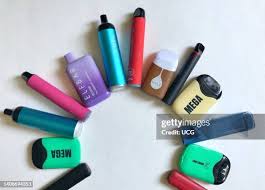
As temperatures rise, ensuring that the seals in your tank and pod remain intact is crucial for maintaining the integrity and performance of your devices. Over time, excessive heat can cause seals to dry out, leading to leaks and inefficiencies. In this article, we’ll explore effective strategies to prevent your tank and pod seals from drying out, ensuring optimal performance and longevity. Read more: https://e-liquids.com/collections/vape-juice
Understanding Tank and Pod Seals
What Are Tank and Pod Seals?
Tank and pod seals are essential components in various devices, including vaping equipment and liquid storage tanks. These seals are designed to prevent leaks and maintain pressure, ensuring that the liquids inside remain contained and uncontaminated. Click here: https://e-liquids.com/collections/vape-kits
Why Do Seals Dry Out?
Heat and exposure to air can cause the materials used in seals—often rubber or silicone—to lose moisture, leading to drying, cracking, and ultimately, failure. Understanding the factors that contribute to seal degradation will help you implement effective preventive measures.
Tips for Preventing Seal Drying
1. Store in a Cool, Dark Place
One of the simplest ways to prevent your tank and pod seals from drying out is to store them in a cool, dark environment. Excessive heat and direct sunlight can accelerate the drying process. Aim to keep your devices in a temperature-controlled space, away from windows and heat sources.
2. Use Seal Conditioners
Seal conditioners are specially formulated products designed to rejuvenate and protect rubber and silicone seals. Regular application can help maintain flexibility and prevent drying. Look for conditioners that are compatible with your specific materials and follow the manufacturer’s instructions for use.
3. Regular Maintenance
Routine maintenance is critical for the longevity of your seals. Inspect them regularly for signs of wear and tear. If you notice any cracks or stiffness, consider replacing the seals before they fail. Cleaning the seals with mild soap and water can also help remove debris and buildup that may contribute to deterioration.
4. Avoid Harsh Chemicals
When cleaning your tanks and pods, avoid harsh chemicals and solvents that can degrade seal materials. Stick to gentle, non-abrasive cleaners that are safe for rubber and silicone. This practice not only protects the seals but also ensures that the liquids you store remain uncontaminated.
5. Control Humidity Levels
In addition to heat, low humidity can also contribute to seal drying. Maintaining a balanced humidity level in your storage area can help keep seals hydrated. Consider using a humidifier if you live in a particularly dry climate, especially during winter months when indoor heating can reduce humidity.
6. Use Proper Sealing Techniques
When assembling your tank or pod, ensure that seals are properly seated and aligned. Misalignment can cause unnecessary stress on the seals, leading to cracks or leaks. Take your time during assembly and double-check that all components are securely in place.
Best Practices for Long-Term Care
1. Rotate Your Stock
If you have multiple tanks or pods, consider rotating them regularly. Frequent use can help keep seals flexible and prevent them from drying out. This practice also allows you to identify any potential issues early on, giving you the opportunity to address them before they become significant problems.
2. Avoid Over-tightening
While it might be tempting to tighten seals as much as possible to prevent leaks, over-tightening can actually cause more harm than good. This can lead to unnecessary stress on the seals, increasing the likelihood of cracks and leaks. Follow the manufacturer’s guidelines on tightening to avoid damaging the seals.
3. Educate Yourself on Material Compatibility
Different seal materials have unique properties and durability levels. Familiarize yourself with the types of seals used in your devices and their specific care requirements. This knowledge will empower you to choose the right products and techniques for maintaining your seals effectively.
Conclusion
Keeping your tank and pod seals from drying out in heat is essential for ensuring the efficiency and reliability of your devices. By following these tips and best practices, you can extend the lifespan of your seals and prevent costly leaks and repairs. Regular maintenance, proper storage, and the use of seal conditioners are all critical components in this process. Remember, a little proactive care goes a long way in preserving the performance of your equipment.